
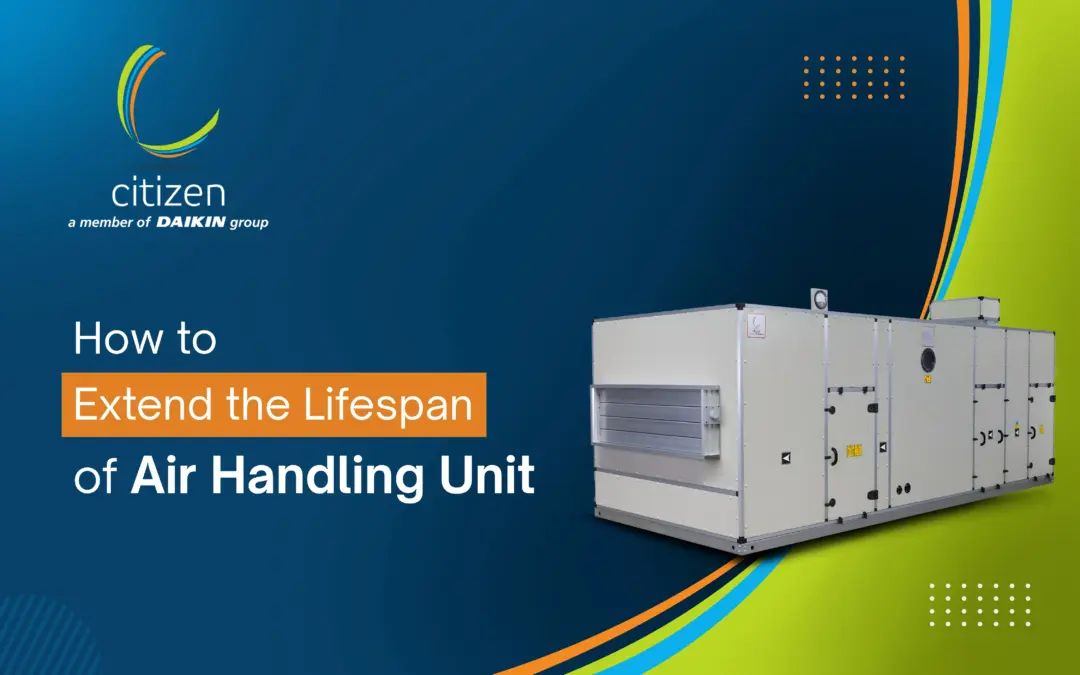
Advanced architecture requires a durable and efficient air handling unit to maintain clean equipment and human comfort. Such a unit circulates fresh air throughout the building, traps and removes dust through the use of filters, and regulates temperature and humidity levels to ensure the safety of both occupants and equipment. Air handling unit systems in establishments such as hospitals, manufacturing plants airports shopping centers, and office buildings operate for long hours daily. Due to this incessant operation, the state of the unit directly influences maintenance costs, energy consumption, and overall HVAC system performance. According to industry research, HVAC systems can be responsible for approximately 40% of the total electricity consumption of a commercial building. Taking care of an air handling unit and servicing it at the right time can significantly enhance the operating life of the unit.
What is the Average Lifespan of an Air Handling Unit?
Typically, a solidly constructed air handling unit for commercial HVAC is expected to serve about 15 to 20 years. However, in highly regulated environments like hospitals or data centers, the lifespan of an air handling unit system depends on the usage and maintenance practices. Continuous operation daily results in the parts wearing out quicker. Besides that, the level of maintenance makes a big difference. Frequent change of filters, coil cleaning, and checking of moving parts go a long way to reduce the rate of deterioration. The AIR quality inside industrial settings or a location with a lot of dust can even influence the lifespan. Furthermore, the design of the equipment, strength of the casing, and quality of the components have a major say in the duration for which an AHU will be able to perform reliably.
Following Preventive Maintenance Schedule for the AHU
Why Preventive Maintenance Is Important
- An air handling unit operational for many hours every day and minor issues, if not detected, can gradually result in main problems.
- Dust on coils or blocked filters will reduce the amount of air that can pass through which results in the fan motor having to work harder. It is the continuous overload that causes the mechanical parts to get damaged.
- Frequent inspection means that the air handling unit system will be functioning well and the possibility of unexpected shutdowns, especially in busy facilities, will be avoided.
Important AHU Components to Inspect
- Air filters – check for dust buildup that may block airflow
- Cooling and heating coils – inspect for dirt that reduces heat exchange
- Blower and fan assembly – check belts, alignment, and unusual vibration
- Drain pans and condensate line – ensure water drains properly and does not collect inside the unit
Recommended Inspection Frequency
- Monthly: inspect filters and check general airflow condition
- Quarterly: clean coils and examine fan and blower parts
- Annually: carry out a full inspection of the air handling unit, including motors and electrical connections
Clean and Replace Air Filters at the Right Time
Role of Filters in Protecting AHU Components
- Within an air handling unit, filters prevent dust and tiny particles from entering the air coils, fans, and other inner parts. This not only keeps the whole unit clean but also makes the equipment operate efficiently for longer time.
Problems Caused by Dirty or Clogged Filters
- If the filters get clogged, it will be difficult for the air to go through the unit. As a result the airflow inside the air handling unit system will be getting slower.
- To push the air through the unit, the blower requires more force which may worsen the cooling function and lead to the increase of power consumption in the long run.
Signs That an AHU Filter Needs Replacement
- Airflow from supply vents becomes weaker than usual
- Dust begins to appear around diffusers or duct openings
- Electricity usage of the HVAC system gradually increases
Maintain Proper Airflow Inside the AHU System
Balanced airflow inside an HVAC system is essential for keeping an air handling unit system reliable and long-lasting. When air moves evenly through the unit, the fan, coils, and other internal sections operate under normal load. If airflow becomes restricted, the fan motor has to push harder to circulate air, which can slowly damage mechanical parts. Several issues can disturb airflow, including blocked ducts, dust accumulation on cooling coils, or dampers that are not adjusted correctly. These conditions reduce air movement and affect temperature control across the building. Proper ventilation keeps air moving freely through the air handling unit, allowing heat exchange to occur smoothly while reducing unnecessary strain on the equipment.
Inspect Fans, Motors, and Electrical Components
Checking the fan, motor, and electrical parts of an air handling unit is important for keeping the system dependable over many years. The fan and blower move air through the entire unit, so their condition directly affects how the system performs. If the fan begins to wobble or produces unusual vibration, it can disturb airflow and slowly damage nearby parts. Mechanical elements such as belts and bearings also need attention because worn belts can slip and reduce fan speed. Periodic lubrication helps these parts rotate smoothly. Electrical sections should also be examined during servicing. Loose wiring, overheated motors, or faults inside the control panel can interrupt the operation of the air handling unit system and may cause unexpected equipment shutdowns.
Invest in a Well-Designed Air Handling Unit for Long-Term Reliability
Choosing a well-engineered air handling unit plays a major role in how long the equipment continues to perform without major problems. Units built with strong casing panels and proper insulation handle daily operation better, especially in large commercial buildings. Materials that resist rust and corrosion help the equipment remain stable even in humid or industrial environments. The selection of fan and motor also affects reliability, as properly matched components maintain steady airflow without placing unnecessary load on the system. For this reason, many project consultants prefer working with experienced air handling unit manufacturers that follow strict manufacturing standards. Reliable air handling unit manufacturers in India focus on durable construction, tested components, and stable performance so the system continues operating efficiently for many years.
Why Many Projects Choose Citizen Industries Pvt. Ltd.
Many consultants and contractors prefer working with experienced air handling unit manufacturers in India that understand real project requirements. Citizen Industries Pvt. Ltd. has long experience in designing and manufacturing reliable air handling unit solutions for commercial and industrial buildings. The company focuses on strong construction, careful component selection, and consistent manufacturing practices. Many project teams choose air handling unit manufacturers who can deliver dependable equipment that performs steadily in demanding environments such as hospitals, factories, and large commercial spaces.
